Broth. The first fragrance that I remember, coming into that kitchen, it’s the smell of the
broth.
Not the smell of a regular broth, but a broth made with three different kinds of meat,
carrots, celery and a vague hint of antique.
If I stop to think about a particularly meaningful experience related to food, I have no doubt
about this: risotto.
And not the risotto in general, but the risotto as it is done in my city, Vercelli, for over a
thousand years. The Panissa.
And if I think the first time I ate the traditional Panissa, directly in the kitchen of a rice
grower, the first thing that comes to my mind is always the smell of the broth.
The producer, Jose, has always been a farmer, who cultivates rice has always been, and
so did his fathers, so they will do his children.
Jose is a family friend, a tall man, 60 years old, gray hair and rough character, blunt, calm
but determined; one of those people who grew up from the land and for the land, with that
innate wisdom peasant that animates bright eyes.
Jose can do only two things: grow rice, and cook it; but these two things he can do them
divinely.

I can clearly remember when, on the occasion of my fifteenth birthday me and my family
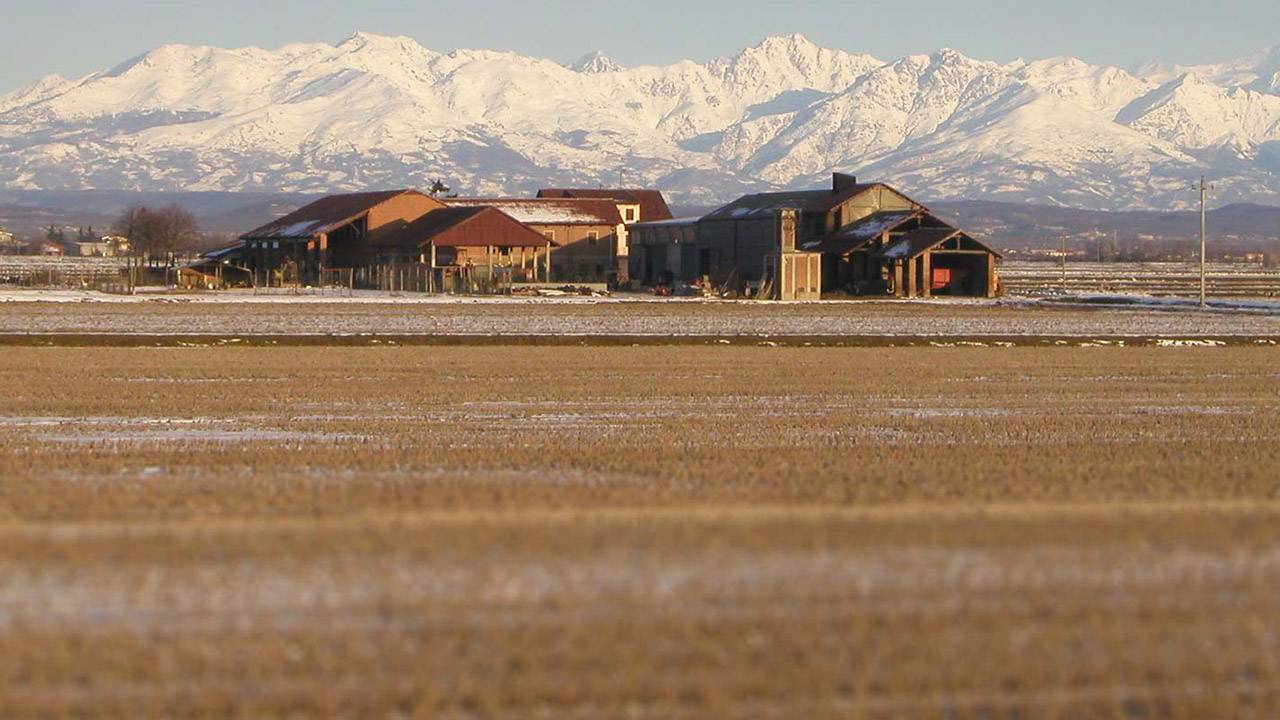
were invited in his farmhouse, surrounded by paddy fields, to eat the traditional Panissa.
The Panissa is a typical dish from my city, Vercelli, a risotto cooked in a copper pot, along
with tomato sauce, beans, sausage and Parmesan; all creamed in the meat broth.
I still remember when I went into his kitchen, which clearly reflected his character: large
room, simple furniture, dark floor tiles worn by time, brick ceiling, fireplace and large
cooker, all topped by a huge stone hood.
In the middle of his kitchen, long and narrow, towered a huge wooden table, surrounded by
simple benches also made by wood. One end of the table was littered with food,
ingredients and tools for cooking; the other end, equipped for a very rustic lunch. Some
dishes, a glass-to-head for the water, wine in traditional bowls, and one tablespoon each to
eat the risotto.
I remember how I was struck by the simplicity of the table, and the intensity with which the
past emerged from that scene: an old farmer, intent on turning over a huge wooden spoon
with a mountain of steaming rice in a copper pot equally gigantic, with a wisdom and a
delicacy that I did not think possible in a man used to being in the middle of fields and work
the soil.
And then the smell, the smell… All I remember, just crossed the threshold, is the scent of
soup, meat, and butter that filled the lungs and nostrils and seemed to not be able to get
out more.
My grandfather used to tell me: you start to eat by the smell, and never like that time, I
knew he was right.
And while he cooked, he was teaching me. To cook a Panissa should prepare before a
good broth by boiling in a pot of water celery, carrots, a chicken leg, a piece of beef and a
piece of pork salami.
Meanwhile, in a copper pot, prepare a soffritto with onion, and then put the rice, along with
a little bit of butter, tomato sauce, adding broth until the risotto is almost ready. At the end,
but only at the end, add the beans, a salami “sotto grasso” (salami preserved in pork fat)
into pieces and serve on plates, straight from the pot, with a sprinkling of grated
Parmigiano last.
The Panissa that finally you have on your plate, it’s a red risotto, quite dry, with a very
strong smell of beans and meat. The grains of rice should be kept not very cooked and
almost have to give the feeling of bursting when you bite them.
Note: should be eaten strictly with a spoon and rigorously accompanied by a good red
wine from Piedmont.
That time, at fifteen, was certainly not the first time I ate Panissa, but this time, that
morning, in some way, I was impressed.
The whole scene, rustic and authentic that I found in that kitchen, so strongly connected,
almost inextricably with Jose and his figure, made that Panissa the best I’ve ever eaten.
I still remember his eyes, as he sat with us and took the first spoon to his mouth, barely
hinted at a smile, that he had no need to say anything: he knew perfectly that his Panissa,
like thousands of times before that, it was a special.
 andreacalciati.com